
Car painting is the primary way to refresh your vehicle’s appearance. It’s a complex process requiring attention to many details. Even with a skilled painter, the results may be less than ideal if important factors like temperature and humidity are not considered. Let’s take a closer look at what constitutes the optimal temperature for painting a car, how to avoid common mistakes when painting in cold or hot conditions, and what to do if ideal conditions are not available – for example, if you can’t purchase a paint booth or use an insulated garage.
Factors Affecting Paint Quality
The quality of your car’s paint job depends primarily on the following factors:
- Temperature of the air and vehicle surface. Low temperatures can prevent the paint from drying, while high temperatures can cause the solvents to evaporate too quickly, leading to uneven coverage.
- Humidity. High humidity levels can lead to condensation, affecting the adhesion of the paint and primer layers.
- Type of paint. Different paints require specific temperature ranges for optimal application and drying.
- Application technique. Proper paint spraying technique and adhering to the correct number of coats are crucial for achieving a quality finish.
Understanding these factors can help you significantly improve the quality of the paintwork by avoiding common temperature-related mistakes.
Optimal Temperature for Painting a Car
The ideal temperature for car painting is between +20°C and +25°C. This range ensures the best performance for most automotive paints, resulting in an even, high-quality finish. In practice, painting can be done between +15°C and +30°C, but deviating from the optimal range requires extra care to follow the correct procedures. Different paint types may also have specific temperature requirements:
- Acrylics: Best applied between +18°C and +25°C for smooth application and fast drying.
- Metallics and Pearlescents: Sensitive to temperature changes; optimal range is +20°C to +25°C.
- Polyurethane varnishes: Suitable for temperatures between +15°C and +30°C.
- Water-based enamels: Require +10°C to +25°C, as water in their composition evaporates slower in colder conditions.
Always check the product label for manufacturer recommendations.
Temperature and Its Impact on Drying and Adhesion
It’s important that the paint dries properly at every stage, from the primer to the topcoat. At lower temperatures, paint remains liquid longer, increasing the risk of dust settling on it. In high heat, paint can dry too quickly, causing uneven evaporation of solvents and poor adhesion between layers.
Painting a Car in Cold Conditions
While it’s possible to paint at temperatures below +15°C, it presents significant challenges. Cold weather slows the drying and curing process, leaving the paint sticky and prone to collecting dust. Additionally, paint may not spread evenly on the surface, leading to streaks and imperfections. Painting in freezing temperatures is not recommended.
Tips for Painting in Cold Weather:
- Use a paint booth to maintain proper temperature and humidity.
- Warm the vehicle surface before painting to prevent condensation.
- Allow extra drying time, as paint dries more slowly in cold temperatures.
Some manufacturers offer paint specifically designed for low-temperature applications—look out for these products.
Painting a Car in Hot Conditions
Painting in hot weather can be just as tricky. High temperatures cause solvents to evaporate too quickly, leading to several issues:
- Quick drying: Paint may start to dry while spraying, leading to dry spots and uneven coverage.
- Bubble formation: Rapid evaporation can cause bubbles to form in the paint.
- Poor adhesion: If the paint dries too quickly, layers may not bond properly, leading to peeling.
If you must paint in hot weather, work in the shade or indoors and avoid overly dry conditions. Humidifiers can help maintain optimal conditions, and special additives can slow solvent evaporation.
Temperature’s Effect on the Drying Process
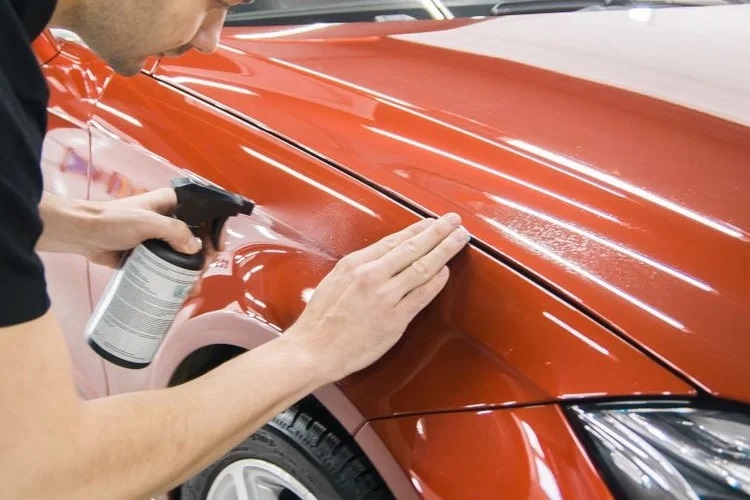
The optimal temperature for drying is between +20°C and +25°C. At this temperature, the paint dries evenly, and the layers adhere well. In cold weather, drying takes longer, which can cause uneven pigment distribution. In hot weather, drying can happen too quickly, disrupting the paint’s structure and causing defects.
Methods for Maintaining Optimal Temperature
To maintain the best conditions during painting, you can use:
- Paint booths, which allow you to control temperature and humidity precisely.
- Heaters and fans to keep the garage at the desired temperature.
- Thermoregulators for precise temperature control of both the air and vehicle surface.
The key to a high-quality paint job is controlling the temperature, humidity, and ensuring good ventilation. Follow these steps, and you’ll achieve a durable, professional finish that will protect your car for years to come.